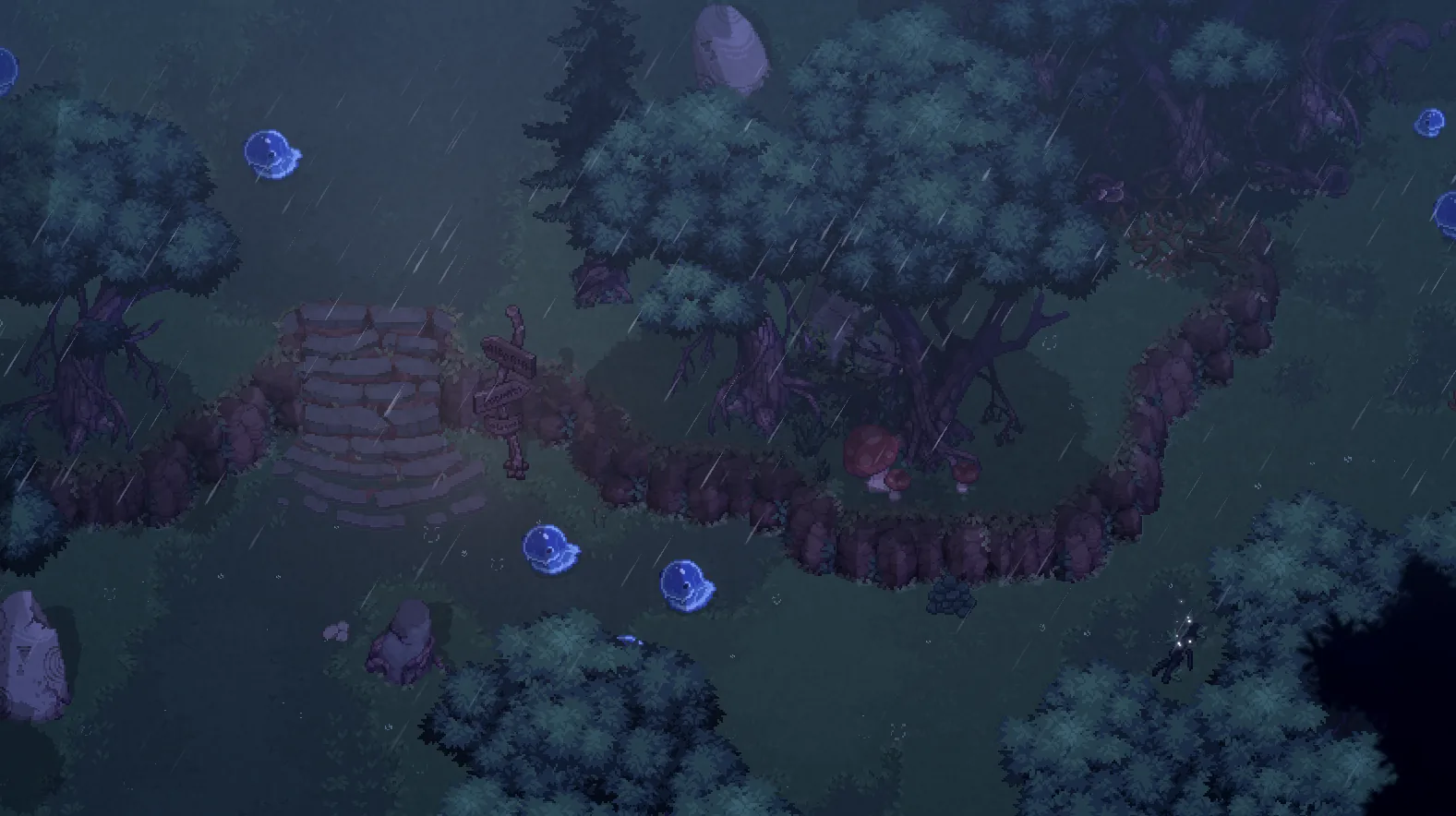
How to Master Dimraeth Multiplayer: A Complete Co-op Guide
Explore our expert guide to Dimraeth multiplayer co-op. Learn about class synergies, 8-player scaling, and how to build a hero in this handcrafted pixel world.
Published:
Video Guide
New Multiplayer RPG Feels Like An MMORPG! - DimraethTable of Contents
Dimraeth has arrived as a breath of fresh air for fans of pixel-art action RPGs, blending the high-stakes tension of Souls-lite combat with the expansive social dynamics of an MMO. The dimraeth multiplayer experience is designed to be seamless, allowing up to eight players to join forces in a handcrafted world filled with corruption, ancient magic, and deep character progression. Whether you are a solo adventurer looking to open your world to others or a dedicated group of friends aiming to conquer the highest difficulty tiers, understanding the nuances of the dimraeth multiplayer system is essential for survival in the lands of Mirkea.
In this comprehensive guide, we will break down everything from character archetypes and group synergies to technical troubleshooting and base-building strategies. By the end of this article, you will be equipped with the knowledge needed to turn your fledgling sanctuary into a legendary stronghold and your party into an unstoppable force against the Ogre Magi, Sylbos.
Understanding the Dimraeth Multiplayer Mechanics
At its core, Dimraeth is a hybrid title that emphasizes player agency and group cooperation. Unlike traditional MMORPGs that lock you into massive, persistent servers, Dimraeth uses a drop-in/drop-out co-op model. This means your character’s progression—including levels, gear, inventory, and spells—is persistent across all sessions. You can spend ten hours grinding in your own world and then bring that same powerful hero into a friend’s game to help them tackle a difficult boss.
The difficulty in dimraeth multiplayer scales dynamically based on the number of players. While the Steam page suggests up to eight players, community reports from early playtests indicate that the game remains playable even with larger groups, though the challenge may diminish if a massive group "gangs up" on standard mobs. The sweet spot for a challenging yet manageable experience is generally cited by players as a party of four to six.
World Progression vs. Character Progression
One of the most important things to understand about the dimraeth multiplayer system is the distinction between world-state and hero-state.
Feature
Persists Across Worlds?
Description
Hero Level & Stats
Yes
Your attributes (Agility, Strength, etc.) stay with you.
Equipment & Inventory
Yes
All weapons, armor, and gathered resources travel with your hero.
Spellbooks & Skills
Yes
Any spells you have unlocked or crafted remain in your skill book.
Story Progress
No
Quests and narrative milestones are tied to the host's world.
Buildings & Sanctuary
No
Structures and recruited NPCs belong to the world they were built in.
Relationships
No
NPC affinity and romances are tracked per-world.
Host vs. Guest Roles
When playing in dimraeth multiplayer, remember that only the host will progress their specific world story and sanctuary upgrades. Guests act as mercenaries or allies who gain experience and loot to take back to their own realms.
Creating the Perfect Co-op Archetype
Dimraeth offers a staggering 48 distinct archetypes by allowing players to combine eight different races with six classes. In a multiplayer setting, your choice of archetype defines your role within the team. According to veteran players and community reports, a balanced party is the key to surviving the later stages of the Earlwood and Wildwood regions.
Race and Class Synergies
Each race provides passive benefits, while classes dictate your starting skills and equipment. For example, a Minotaur Brawler (known as a Vanguard) excels as a frontline tank due to their naturally higher defensive stats and heavy-hitting two-handed attacks. On the other hand, an Elf Shadow (a Knight’s Whisper) provides high mobility and distraction through clones and weapon-swapping mechanics.
Archetype Name
Race + Class
Primary Role
Key Multiplayer Benefit
Vanguard
Minotaur + Brawler
Tank / CC
High health pool; can draw aggro and stun enemies.
Knight's Whisper
Elf + Shadow
DPS / Scout
Uses shadow clones to distract mobs; high dodge frames.
Flexible weapon swapping between melee and ranged.
When building your hero for dimraeth multiplayer, consider the "Persona" choice during character creation. Options like "Joker" or "Tough" aren't just for flavor—they affect how NPCs respond to you in the host's world, potentially unlocking different dialogue paths or quest rewards that benefit the whole group.
Combat Mastery in a Group Setting
Combat in Dimraeth is heavily inspired by Souls-lite mechanics, meaning every attack is a commitment. You must manage your stamina bar (the yellow bar beneath your health) carefully. In a group, stamina management becomes even more critical because enemies have larger health pools and more aggressive AI telegraphs.
The Stagger and Parry System
Every enemy has a stun meter. When your party lands successive hits, this meter fills up, eventually staggering the enemy and opening them up for massive damage. In dimraeth multiplayer, coordinating your heavy strikes is essential. If a Vanguard uses a "Heavy Strike" to interrupt an enemy's telegraph, a Shadow can follow up with a "Vanish Strike" to deal critical backstab damage.
Pro-Tip for Groups:
Don't Spam: Constant attacking will deplete your stamina, leaving you unable to dodge when a boss unleashes an AoE.
Use I-Frames: The dodge roll has invincibility frames. Learn the timing to roll through attacks rather than away from them.
Revive Mechanics: If a teammate goes down, you can revive them. However, the revive animation takes time and leaves you vulnerable. Always ensure the area is clear or a tank is blocking before attempting a res.
Weapon Swapping for Versatility
Classes like the Shadow have a weapon swap ability. In co-op, this allows you to switch to a crossbow to kite dangerous enemies while your melee teammates recover stamina, then dive back in with a sword for the kill.
Crafting and Base Building Together
The sanctuary is your home base in Dimraeth, and in dimraeth multiplayer, it serves as the central hub for your party’s logistics. While only the host "owns" the sanctuary, all players can contribute resources to build farms, quarries, and crafting stations.
Shared Resource Management
Gathering is a major part of the gameplay loop. You will need wood, stone, flax, and specialized drops like "droop jello" or "gloop" to progress. In multiplayer, players can divide and conquer: one player focuses on mining stone for the sanctuary walls, while another hunts wolves for meat to cook buff-providing meals.
Station
Required Materials
Function
Campfire
Wood + Stone
Brews basic healing supplies and roasts food.
Anvil
Iron + Coal
Upgrades gear rarity and repairs durability.
Spell Altar
Gems + Magic Essence
Allows crafting of universal spellbooks.
Farming Plot
Seeds + Water
Grows crops for long-term stat-boosting meals.
Upgrading Gear and Spells
As you explore deeper into the world, you will find recipes for spellbooks. These crafted items grant access to over 300 universal spells, provided you meet the attribute requirements (like Agility or Intelligence). In a group, it is highly recommended to specialize. If one player invests heavily in Intelligence to use high-tier elemental spells, they should be the primary recipient of magic-related drops, while the frontline tank gets the best armor gems.
Technical Guide: Joining a Multiplayer Session
Setting up a session in dimraeth multiplayer is generally straightforward, but there are a few common pitfalls that players have reported on the Steam community forums. To ensure a smooth connection, follow these steps:
Host Setup: The host must select "Play" from the main menu and set their world visibility to "Friends Only" or "Public."
Version Check: Ensure all players are on the same game version. The developers at Mudtek frequently push small balance updates, and version mismatches will prevent you from seeing your friend's lobby.
Character Compatibility: Some worlds may be set to "New Characters Only" to ensure a balanced starting experience. If you cannot join with your high-level hero, check the host's world settings.
The Tutorial Phase: While you can technically join at any time, it is often smoother to have the host complete the initial "Lost Caverns" tutorial section before bringing in a full party of eight.
If you encounter issues where the "Join" button does nothing, community members suggest restarting the Steam client or checking the official Dimraeth Steam Page for recent server announcements.
The Role of World Events and Exploration
As you explore the handcrafted pixel world, you will encounter dynamic, real-time events similar to those found in larger MMOs. These are often timed missions, such as "Save the Refugees" or "Slay the Goblin Rippers."
Participating in these events during dimraeth multiplayer sessions is one of the fastest ways to earn experience and rare loot. These missions encourage players to stay grouped up, as the mob density can become overwhelming for a solo player. According to developer notes, these events are designed to make the world feel "active and lively," ensuring that there is always something to do even if you aren't currently following the main questline.
Navigating the Fog of War
Exploration is rewarded through "Map Crystals." When a player interacts with a crystal, a chunk of the map is revealed for everyone in the session. This shared discovery makes scouting a fun and productive role for high-agility characters.
Stamina and Encumbrance
Carrying too many raw materials will slow you down and increase stamina consumption. Use the sanctuary’s storage chests to dump heavy wood and stone frequently so you remain combat-ready.
FAQ: Frequently Asked Questions about Dimraeth Multiplayer
How many players can play Dimraeth together?
Dimraeth supports 1 to 8 players in a seamless online co-op environment. The game uses a drop-in/drop-out system, allowing friends to join or leave your world at any time without interrupting the gameplay flow.
Does my progress save when I join a friend's Dimraeth multiplayer game?
Yes, your hero's level, equipment, inventory, and unlocked spells are all saved to your character profile. However, world-specific progress, such as quest completion in the host's world and sanctuary buildings, will not transfer back to your own world.
Is there regional pricing for Dimraeth?
Yes, the developers have confirmed that Dimraeth will launch with regional pricing on Steam to ensure accessibility for players worldwide. The base price is approximately $21.99, but this may vary depending on your local currency and current discounts.
Can I play Dimraeth multiplayer cross-platform?
As of the Early Access launch, Dimraeth is primarily focused on the PC platform via Steam. While it has full controller support for Xbox and PlayStation controllers, cross-platform play between different console ecosystems has not yet been detailed in the current roadmap.
Final Thoughts on the Dimraeth Experience
Dimraeth is a testament to the power of blending genres. By combining the deliberate, skill-based combat of a Souls-lite with the social and structural depth of a survival RPG, Mudtek has created a world that feels both intimate and grand. The dimraeth multiplayer component is the glue that holds these systems together, turning a challenging journey into a shared epic.
Whether you are grinding for gems to upgrade your flaxen gloves or facing off against a massive wolf boss in the Wildwood, the game rewards coordination, patience, and exploration. As the game continues its 18 to 24-month Early Access journey, players can expect even more biomes, races, and end-game systems to explore with their friends. So grab your sword, ready your spells, and prepare to defend Mirkea—because in Dimraeth, the fate of the world is always better handled together.