When is the Dimraeth Development Start Date? Full Timeline
Discover the Dimraeth development start date and explore the full production timeline of Mudtek's ambitious pixel-art RPG. Get the latest release details here.
Published:
Table of Contents
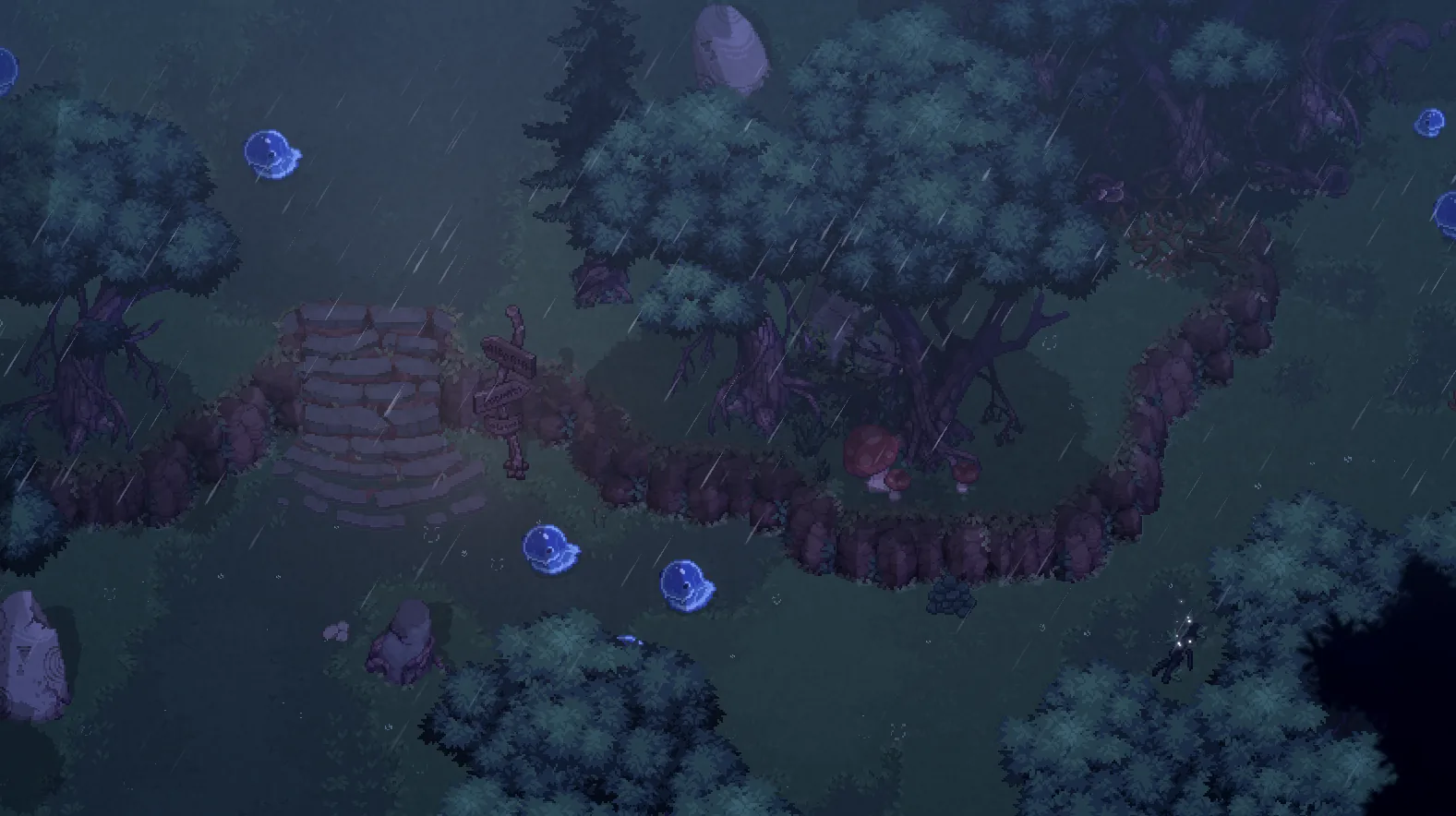
Dimraeth has quickly captured the imagination of the action RPG community with its stunning handcrafted pixel art and complex, overlapping gameplay systems. As players dive into the world of Mirkea, many are curious about the project's origins, specifically the dimraeth development start date and how such an ambitious title came to be. Understanding the dimraeth development start date is crucial for appreciating the level of polish seen in the Early Access release, as it highlights the years of labor Mudtek invested before ever opening a public playtest. This guide will walk you through the entire production journey, from early conception to the current Early Access roadmap.
Quick Answer
While the exact calendar day of the first line of code remains internal to Mudtek, the dimraeth development start date traces back to an early conception phase where the studio envisioned a massive, 8-player co-op ARPG. The project gained significant momentum throughout 2025, leading to a major playtest and a subsequent Early Access launch on September 15, 2026.
Tracing the Dimraeth Development Start Date and Production Timeline
Dimraeth was never intended to be a small-scale indie project that accidentally grew in scope. According to community reports and developer insights, the game was conceived from the outset as a broad, multi-layered experience. The development team at Mudtek aimed to synthesize traditional ARPG elements with base building, survival mechanics, and deep NPC relationships. This "grand vision" approach suggests that the pre-production phase likely predates the public's first glimpse of the game by several years.
The studio's commitment to quality was evident early on. Before the demo was released to the public, Mudtek spent months specifically on "polishing" the core loop. This indicates that the foundational systems—the stamina-based combat, the elemental magic interactions, and the networking for 8-player co-op—were already in a mature state long before the 2026 launch.
Key Milestones in Dimraeth's History
To understand the trajectory of the game, we can look at the major public-facing events that have defined its growth. The following table outlines the timeline from the early testing phases to the projected full release.
Milestone
Date
Description
Initial Conception
Pre-2025
Pre-production and core engine development by Mudtek.
Fall Playtest
late 2025
First major community playtest to gather balance data.
Demo Removal
July 15, 2026
The public demo was pulled to prevent outdated expectations.
Early Access Launch
September 15, 2026
Official launch on Steam with three races and classes.
Introductory Offer End
September 22, 2026
The 10% launch discount period concludes.
Full 1.0 Release
Est. 2028
Projected exit from Early Access after 18-24 months.
The Philosophy of "Slow" Development and Early Access
A common question surrounding the dimraeth development start date is why the game is entering Early Access now rather than launching as a complete 1.0 version. Mudtek has been very transparent about this: the game is simply too ambitious for a small studio to balance in a vacuum. With 48 planned archetypes (combinations of 8 races and 6 classes), the sheer number of variables in combat and progression requires thousands of hours of player data.
The decision to remove the demo on July 15, 2026, is a perfect example of this development philosophy. The studio realized the demo build had "drifted too far" from the current internal build. Rather than leaving an inferior version of the game online to attract quick wishlists, they chose to protect the game's long-term reputation. This mature approach to development suggests that while the dimraeth development start date was years ago, the team is more focused on the quality of the time spent rather than rushing to a finish line.
Core Systems: Combat, Classes, and Archetypes
At the heart of Dimraeth's development is the "Souls-lite" combat system. Unlike many pixel-art RPGs that favor fast, "click-spam" combat, Dimraeth requires deliberate resource management. Players must balance two primary resources:
Stamina: Used for physical actions like dodging, blocking, and sprinting.
Concentration: Used for casting elemental spells.
This dual-resource system ensures that every archetype plays differently. For instance, a Minotaur Brawler relies heavily on stamina to maintain pressure through grabs and melee combos, whereas an Elf Magician must weave sword strikes with elemental spells to manage their concentration levels effectively.
Playable Archetypes at Launch
While the full game aims for 48 combinations, the Early Access version launched with a focused selection to ensure stability.
Race
Class
Primary Playstyle
Human
Brawler
Balanced, adaptable, high ingenuity.
Elf
Magician
High mobility, elemental mastery, glass cannon.
Minotaur
Shadow
Unexpectedly agile, high burst damage, imposing presence.
Human
Magician
Versatile caster with martial capabilities.
Elf
Shadow
The classic assassin; stealth and precision.
The Role of Player Feedback in Shaping Mirkea
Since the dimraeth development start date, Mudtek has emphasized that the community is "central" to the building process. The developers utilize a Discord-centric feedback loop where patch notes, bug reports, and balance discussions happen daily. This isn't just marketing fluff; players who participated in the 2025 playtests saw direct changes to the game's inventory management and controller support based on their suggestions.
One specific example of development-by-feedback is the "Auto-Deposit" feature in storage chests. Early testers complained that managing gear sets was tedious. In response, the developers added a button that automatically moves matching items from the player's inventory into a chest if that chest already contains a piece of that set. This quality-of-life improvement was a direct result of the studio listening to its community during the lead-up to the Early Access launch.
Base Building and Early Game Progression
A significant portion of the development effort has gone into the "return home" loop. Dimraeth isn't just about fighting; it's about building a sanctuary. Players start by dismantling wreckage in the hub area to build basic facilities.
Storage Priority
Early game inventory space is extremely limited. The Guild Hall chest only offers 18 slots. Prioritize building your own storage chests at your base as soon as you unlock the blueprints from the NPC Fosters.
Early Game Crafting Requirements
To progress your base, you will need to gather specific materials found in the Earlwood and Wildwood regions.
Item
Required Materials
Source
Workbench
Planks, Nails
Crafted or found in chests/corpses.
Storage Chest
Planks, Nails
Requires Workbench to craft.
Basic Axe
Pinewood, Stone
Crafted at Workbench or gifted by Rahan.
Basic Pickaxe
Pinewood, Stone
Crafted at Workbench or gifted by Rahan.
According to player experience, a common mistake is spending rare materials to craft tools early. If you follow the main quest line through the Farmlands and defeat the wolf at the Earlwood Toad Waygate, the NPC Rahan will eventually give you these tools for free. This allows you to save your initial resources for building more storage chests—a necessity for any hoarder of gear sets.
Technical Optimization and Steam Deck Support
Despite the handcrafted pixel art, Dimraeth is a technically demanding game due to the number of simultaneous calculations required for 8-player co-op and complex elemental status effects. However, Mudtek has prioritized optimization since the early dimraeth development start date. The game is designed to run on modest hardware, requiring only 4GB of RAM.
Furthermore, the studio has confirmed that Dimraeth is compatible with the Steam Deck, running at the handheld's native resolution. Early reports from the community suggest that the game is exceptionally stable on the Deck, offering great battery life due to its efficient use of machine resources. This portability makes the long-term "grind" for materials and gear much more accessible for players on the go.
System Requirements Overview
Feature
Minimum Requirement
Recommended Specification
OS
Windows 10
Windows 10/11
Processor
Intel Core i3 (4th Gen)
Intel Core i5 (6th Gen)
Memory
4 GB RAM
8 GB RAM
Graphics
GTX 1650 (4GB VRAM)
GTX 1050 Ti or better
Storage
5 GB available space
10 GB available space
Narrative Depth: The Shadow Over Mirkea
The development team didn't just focus on mechanics; the lore of Dimraeth is surprisingly dark for a pixel-art game. The story begins with a corrupted ritual performed by the mage Foustus, which grants the player immortality. This isn't just a plot point; it's a mechanical justification for the game's respawn and co-op systems.
The primary antagonist, Sylbos (the last of the Ogre Magi), provides a credible threat that elevates the stakes. The development of the narrative involves building relationships with NPCs like Alaric and Tamsin, whose personal quests unlock as you invest in their facilities. This integration of story and base building creates a sense of "living" in the world, rather than just passing through it.
Future Outlook: The 24-Month Roadmap
As Dimraeth moves past its dimraeth development start date and into its growth phase, Mudtek has laid out a clear roadmap. The Early Access period is expected to last between 18 and 24 months. During this time, players can expect:
New Biomes: Expansion beyond Earlwood and Wildwood.
Additional Races: Filling out the remaining 5 races from the promised 8.
End-game Systems: Deeper skill trees and higher equipment ceilings.
More Bosses: New encounters to test high-level builds.
The studio has stated that the price of the game will likely increase as it approaches the 1.0 release. Therefore, jumping in during the Early Access phase not only allows players to shape the game's future but also secures the best possible price for what is shaping up to be a massive content package.
Early Access Expectations
Dimraeth is an evolving product. If you prefer a static, finished experience without frequent balance changes or skill reworks, you may want to wait for the 1.0 release in 2028.
FAQ: Common Questions About Dimraeth's Development
When was the official Dimraeth development start date?
While the internal dimraeth development start date began years before public knowledge, the game entered its most visible phase of development in 2025 with community playtests, leading to its Early Access launch on September 15, 2026.
How many people are developing Dimraeth?
Dimraeth is developed and published by Mudtek, a small independent studio. Despite their size, they have managed to implement complex systems like 8-player co-op and a 48-archetype class system.
Is the game coming to consoles?
Currently, the focus of development is on the PC version (Steam). However, the full controller support and Steam Deck compatibility suggest that a console port could be a possibility after the game leaves Early Access in approximately two years.
Will my progress reset during Early Access?
Mudtek aims to maintain player progression (level, equipment, inventory) throughout Early Access. However, since the game is still in active development, some major updates to story progress or world-state mechanics may occur as new regions are added.