Dimraeth Review: A Deep Dive into Pixel Souls-lite Combat
Read our comprehensive Dimraeth review to see if this 1-8 player pixel ARPG is worth it. Explore the combat, crafting, and Early Access content now.
Published:
Video Guide
Dimraeth - Only 3:12 Needed To Decide If You Should Buy!Table of Contents
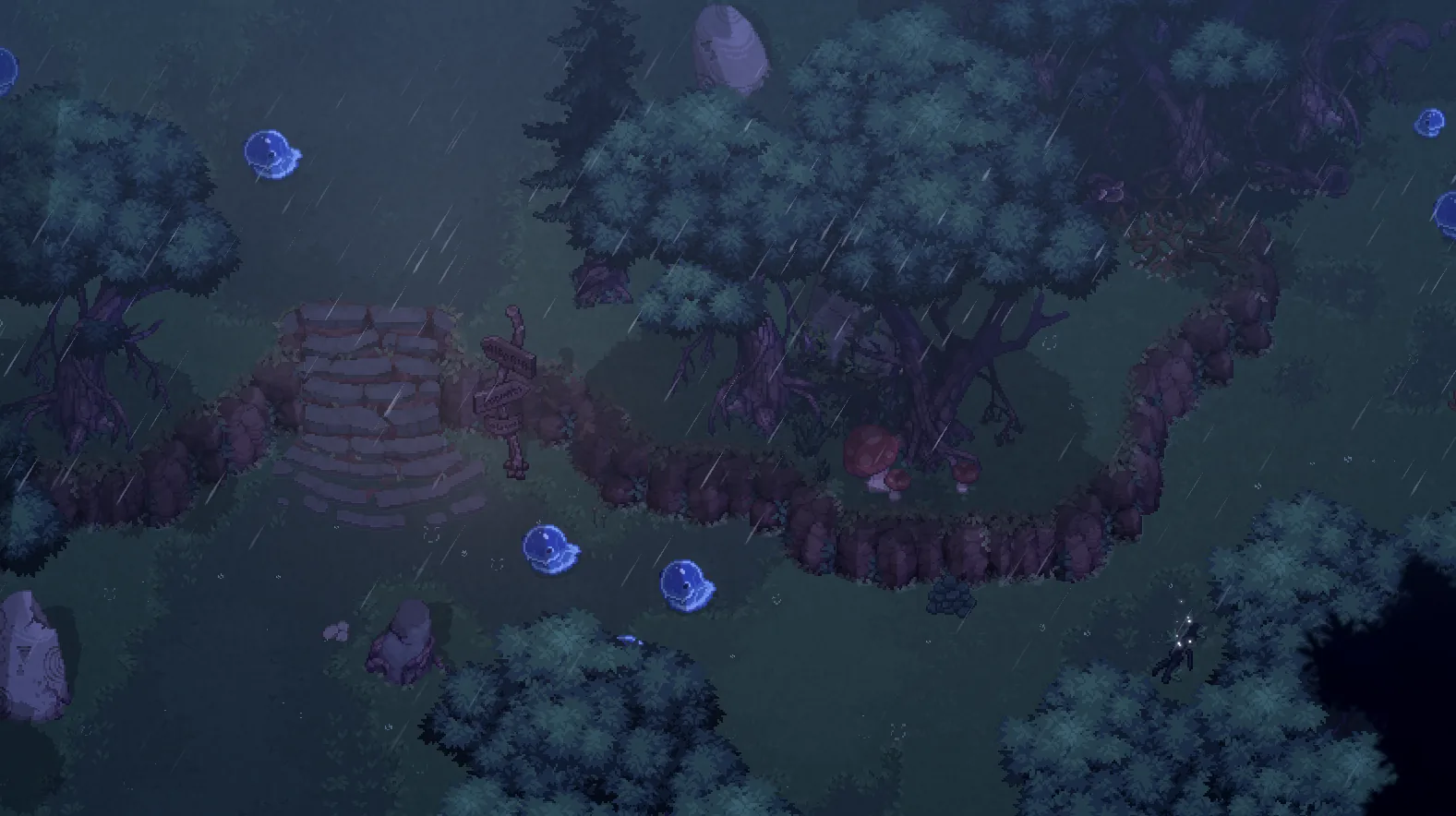
Dimraeth has officially arrived in Early Access, promising a unique blend of deliberate Souls-lite combat, expansive base-building, and a handcrafted pixel-art aesthetic. In this dimraeth review, we will analyze whether Mudtek’s ambitious project manages to balance its complex systems or if it collapses under the weight of its own aspirations. As an indie title heavily influenced by modern hits like No Rest for the Wicked, this dimraeth review aims to guide you through the current state of Mirkea, from its tactical spellcasting to the controversial dialogue systems that have sparked community debate.
Quick Answer
Dimraeth is a high-potential action RPG that excels in visual presentation and tactile combat but currently suffers from a lack of content (only 3 of 8 races available) and divisive, potentially AI-assisted writing. It is best suited for players who enjoy "grindy" progression and base management at an indie price point.
The Core Gameplay Loop: A "Wicked" Recipe in Pixel Art
At its heart, Dimraeth follows a specific mechanical rhythm that will feel familiar to fans of the ARPG genre. You start in a central hub—the Sanctum—before venturing out into the Earlwood Village and Wildwood Forest to fight, gather, and survive. Unlike traditional "click-to-slay" ARPGs like Diablo, combat here is a high-stakes dance of stamina management. Every swing of an axe or cast of a frost javelin is a commitment.
The game is often compared to No Rest for the Wicked because of its "home-and-away" cycle. You leave your base to gather resources like flax, stone, and wood, then return to cook meals, brew potions, and upgrade your stronghold. This creates a cozy survival layer on top of a punishing combat system.
Combat Mechanics and Stamina Management
Combat in Dimraeth is built around "reading" the enemy. Enemies have clear wind-up animations, providing a window for you to block, parry, or dash. However, the eye-frames (invincibility frames) are notoriously tight. According to community reports, many players find the parry window difficult to read, often opting for a safer block-and-roll strategy.
Mechanic
Function
Risk/Reward
Dash
Quick repositioning with limited eye-frames.
Consumes stamina; leaves you open if timed poorly.
Parry
Deflects an attack to preserve HP at the cost of stamina.
High skill floor; rewards you with a massive opening for counter-attacks.
Spell Puzzle
Chaining up to 5 equipped spells in tactical rotations.
Requires specific attribute points; allows for devastating combos.
Poise Bar
A yellow bar under enemies that determines stun potential.
Breaking poise allows for "free" damage without retaliation.
Character Customization: The Archetype System
One of the standout features highlighted in this dimraeth review is the sheer depth of the character system. Mudtek plans for a total of 8 races and 6 classes, leading to 48 distinct archetypes. However, it is important to note that in the current Early Access version, players only have access to 3 races and 3 classes (9 pairings).
Race as a Class
In Dimraeth, your race is not just a cosmetic choice; it is a class in itself. For example, a Minotaur is naturally an "axe wall" regardless of their chosen class. If you pair a Minotaur with a Mage class, you create a "tank caster" that can absorb damage while raining down fire. This synergy allows two players using the same race/class combo to end up with completely different builds based on their skill tree choices.
Current Available Pairings:
Human: Versatile and balanced, suitable for any role.
Elf: High mobility, often leaning toward Assassin/Shadow roles.
Minotaur: High poise and physical strength, ideal for Brawlers.
Unlike many ARPGs where the town is merely a place to sell loot, the Sanctum in Dimraeth is a living part of your progression. You aren't just an adventurer; you are a pioneer. You can lay out your base, plant apple trees for passive food generation, and build quarries for stone.
The Crafting Loop
The game features a "Runescape-lite" approach to crafting. You will spend a significant amount of time gathering raw materials to refine them into higher-tier objects.
Maximize Your Efficiency
Always pick up "Droop Jello" from slimes. It converts into water, which is a foundational component for high-level alchemy and potion brewing.
Sanctum Building Functions:
Alchemy Bench: Used to upgrade the number of charges in your health flask (similar to an Estus Flask).
Forge: Managed by the Minotaur NPC, this allows you to salvage useless equipment into shards for rune upgrades.
Farms: Essential for cooking meals that provide long-term vitality buffs.
Storage Chests: Crucial for inventory management, though currently, items must be in your inventory to be used for crafting outside of the base.
The Writing Controversy: Narrative vs. Gameplay
A significant point of contention in every dimraeth review currently surfacing on Steam is the quality of the dialogue. Player experience suggests that the writing feels "artificial" or "LLM-generated." Critics point to the "Joker" persona choice, where the dialogue often fails to deliver actual jokes, instead using strange, grammatically incorrect sentence structures.
The AI Dialogue Debate
While the developers at Mudtek haven't explicitly confirmed the use of generative AI for all dialogue, the community has noted patterns common in AI writing:
Repetitive Padding: Sentences that could be cut in half without losing meaning.
Hollow Characterization: Every villager sounds remarkably similar to the last.
Context Loss: NPCs often forget previous interactions or use idioms incorrectly (e.g., using "shoot first, ask questions later" in a context that doesn't involve violence).
If you are a player who prioritizes a deep, soulful narrative, this might be a dealbreaker. However, if you view the story as a secondary vehicle for the combat and crafting, the "clunky" dialogue may be a minor annoyance rather than a game-ending flaw.
Performance and Technical State
For an Early Access launch, Dimraeth is surprisingly well-optimized. Testing on the official Dimraeth Steam page indicates that the game runs smoothly on mid-range PCs and even maintains a solid 60-120 FPS on higher settings.
Component
Minimum Requirement
Recommended
OS
Windows 10
Windows 10/11
GPU
GTX 1650 (4GB)
GTX 1050 Ti or better
RAM
4 GB
8 GB
Storage
5 GB
10 GB
Steam Deck Support: The game is playable on Steam Deck, though the UI can feel a bit cramped due to the zoomed-in camera. A common community report suggests that a 15-20% zoom-out feature would greatly improve the tactical feel of combat.
Progression and the "Slow Burn" Grind
Be warned: Dimraeth is a slow burner. You might play for five hours and only level up twice. The game expects you to hunt rare "empowered" enemies (which have affixes like Mortar or Frost Nova) to find randomized gear.
Rune Upgrades and Randomized Affixes
The loot system follows a Diablo-style rarity tier. You will find runes that provide small percentage increases (e.g., +4% movement speed). You then take these to the forge to spend shards and add new stats. It is a system designed for long-term min-maxing, which might feel tedious for those looking for a quick 10-hour campaign.
Inventory Management
Inventory space is extremely limited in the early game. Prioritize building storage chests in your Sanctum immediately to avoid leaving valuable crafting materials on the ground.
Co-op Experience: Playing with Friends
Dimraeth supports up to 8 players in seamless drop-in/drop-out co-op. This is where the game truly shines. Combining different elemental spells—like having one player drench enemies in water while another uses ice spells to freeze them—adds a layer of tactical depth that is missing in solo play.
How Co-op Progression Works:
Character Stays with You: Your level, equipment, and spells travel between worlds (similar to Valheim).
World State is Host-Based: Story progress and buildings are tied to the host's world.
Public Events: These spawn periodically and offer massive XP boosts, making them ideal for groups to farm together.
Pros and Cons: A Balanced Look
To wrap up this dimraeth review, let’s look at the definitive list of strengths and weaknesses to help you decide if the €21.99 price tag is worth it today.
Pros
Cons
Gorgeous Pixel Art: Vibrant, handcrafted world with high-fidelity portraits.
Limited Content: Only 3 of the 8 promised races are currently playable.
Tactile Combat: Weighty, stamina-based fights that reward skill.
Weak Dialogue: Writing feels artificial and lacks personality.
Deep Customization: 48 archetypes provide immense replayability.
Slow Progression: XP gains feel tightfisted and grindy.
Stable Co-op: Seamless 8-player integration with working Steam Cloud.
Zoomed-in Camera: Can make it difficult to see environmental hazards.
Final Verdict
Dimraeth is a diamond in the rough. It offers a "cozy Souls-lite" experience that is rare in the indie scene. While the dialogue and current content cap (level 25, one act) are clear indicators of its Early Access status, the core mechanical foundation is rock solid. If you enjoyed the combat weight of Dark Souls and the base management of Valheim, you will likely find enough here to justify the entry price. However, if you are looking for a finished story or high-speed ARPG action, you should wait for the 18-24 month development cycle to conclude.
FAQ Section
Is Dimraeth playable solo?
Yes, this dimraeth review confirms that the entire game can be played solo. However, be aware that enemy health pools can feel a bit "chunky" for a single player, making combat encounters longer and more resource-intensive than in co-op.
How long is the current Early Access content?
The current build offers approximately 12 to 15 hours of main scenario gameplay, capped at level 25. If you engage in deep base-building and repeatable "Deeds," you can easily stretch this to 30+ hours.
Does the game have controller support?
Yes, Dimraeth features full controller support and is compatible with the Steam Deck. Some players have reported minor bugs with conversation menus while using a controller, but these are typically resolved by switching to keyboard/mouse briefly.
What is the price of Dimraeth?
The game is currently €21.99 on Steam, with a 10% introductory discount available until September 22nd. The developers have stated that the price will rise as more content is added toward the full 1.0 release.