Dimraeth Demo Guide: Master the Open World RPG Mechanics
Dive into the Dimraeth demo with our comprehensive guide. Discover combat tips, skill tree builds, and base-building strategies for this indie RPG.
Published:
Table of Contents
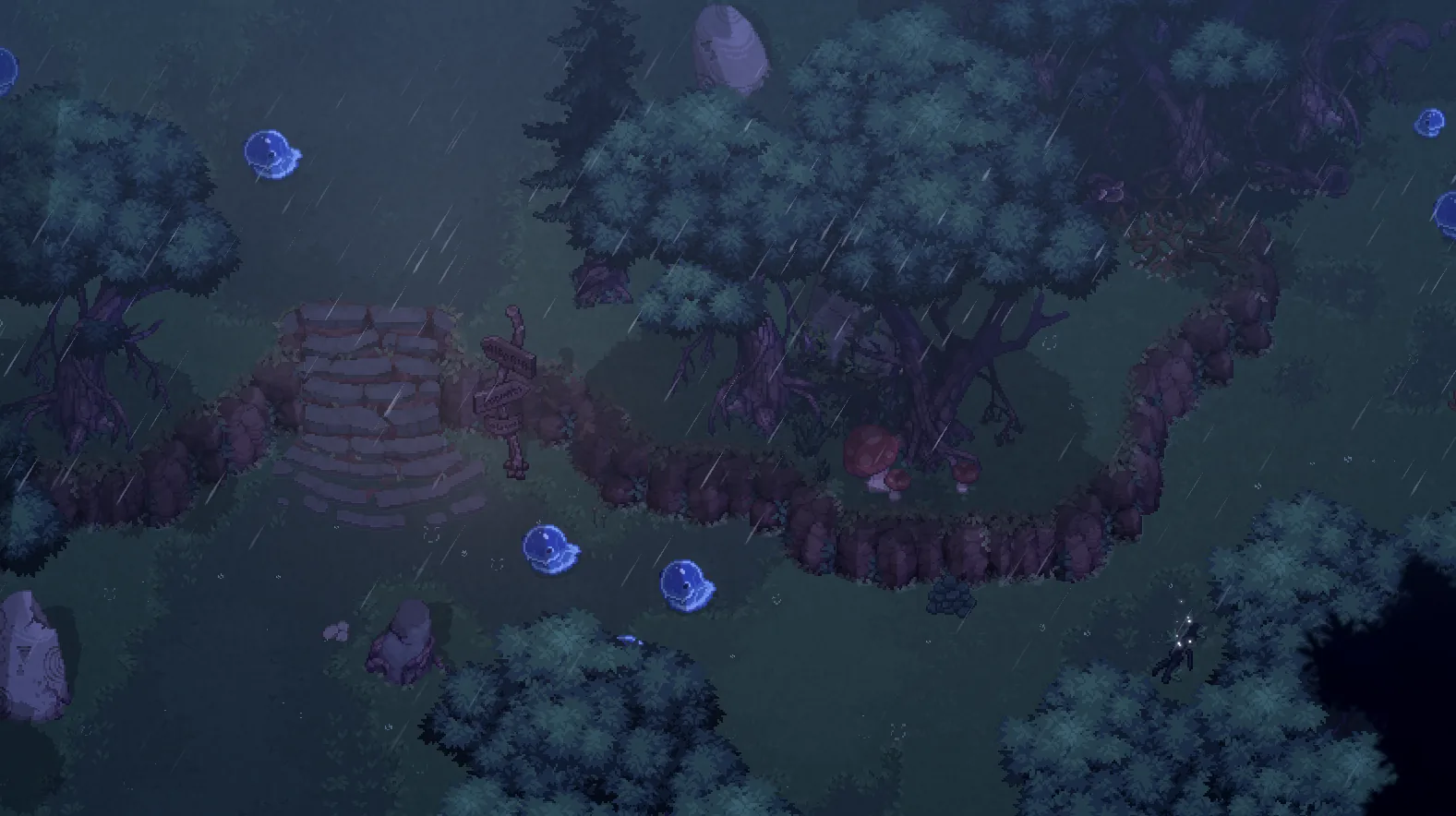
The world of Mirkea is vast, mysterious, and currently standing on the edge of total collapse. If you have been looking for a sandbox experience that balances cozy base building with challenging tactical combat, the dimraeth demo is the perfect place to start your journey. Whether you are a solo adventurer or planning to team up with friends, this early look provides a deep, rewarding, and sometimes punishing glimpse into one of the most anticipated indie RPGs of the year.
Understanding the core mechanics early is essential because, as many community testers have noted, the game does not hold your hand. By mastering the dimraeth demo features now, you will be well-prepared for the full Early Access launch. From optimizing your elemental combat rotations to managing your stronghold's resources, this guide covers everything you need to know to thrive in a land where immortality is both a blessing and a burden.
Choosing Your Path: Races and Classes
Before you step into the wilds, you must define your hero. The game allows for deep character customization, where your choice of race and class significantly impacts your playstyle. As of the current dimraeth demo, players can experiment with different combinations to see which synergetic traits fit their preferred combat flow.
Race
Playstyle Specialty
Recommended Class
Human
Adaptability & Ingenuity
Magician
Minotaur
Strength & Tactics
Brawler
Elf
Agility & Magic
Elemental Ranger
The Magician excels at mid-range combat, blending weapon strikes with elemental spells. In contrast, the Brawler is a high-risk, high-reward melee specialist that relies on stamina management and positioning. As you progress, you will realize that your class choice dictates your initial skill tree focus. Do not worry about being "locked in" too early; the game encourages experimentation, and you can pivot your build as you find new skill books throughout the map.
Tactical Combat: The "Bleed" Strategy
Combat in this world is visceral and demands attention to detail. Many players have discovered that mastering "Status Effects" is the key to victory, especially when facing tougher elite enemies. One of the most effective techniques observed in the dimraeth demo is the application of "Bleed" damage.
How to Execute a Bleed Combo
Initiation: Use a quick melee or ranged opener to close the distance.
Application: Slot abilities that specifically state they apply "Bleed" or "Laceration."
Execution: Once the status is applied, switch to fire-based attacks. Fire damage often interacts with these debuffs to create massive damage-over-time ticks.
Defense: Always keep a "Dash" or "Parry" ready to cancel enemy wind-up animations.
Stamina Management
Never exhaust your stamina meter during a boss fight. If you are caught without stamina, you cannot dodge or parry, and enemies like the woodland wolves or corrupted hearts will punish you with lethal bleed attacks of their own.
The Art of Resource Management
Survival in Mirkea is not just about killing monsters; it is about gathering materials to upgrade your gear. The dimraeth demo features a robust crafting system that requires patience. Players frequently report that gathering nodes (like flax, berries, and stone) are easily overlooked during combat but are vital for mid-game survival.
Essential Crafting Components
Gloop/Jello: Essential for alchemy and potion synthesis.
Flax: Used for basic gear repairs and early-game armor.
Fertilizer: Required for maintaining garden plots in your base.
Wood/Stone: The foundation of your stronghold.
If you find your inventory cluttered, prioritize building storage chests at your base immediately. According to community feedback, the ability to craft directly from base storage is one of the most convenient quality-of-life features in the game. You can check the official Dimraeth Website to see the latest updates on building mechanics and future feature sets.
Base Building: Your Sanctuary in the Wilds
Building a home is not just an aesthetic choice; it is a tactical necessity. Your base acts as your respawn point, your laboratory, and your market. Many players in the dimraeth demo ignore the base-building aspect initially, only to find themselves struggling to craft higher-tier health potions or weapons later on.
Structure
Purpose
Benefit
Alchemy Bench
Potion Crafting
Increases max health potion charges
Blacksmith Forge
Equipment Salvage
Converts junk items into upgrade shards
Storage Chest
Inventory Management
Allows cross-crafting from materials
Garden Plots
Passive Resource Gen
Provides steady access to rare plants
Focus on constructing these four items within your first few hours. The Blacksmith Forge is particularly important; you should be breaking down every piece of gear that doesn't fit your current build to obtain shards. These shards are the only way to level up your runes, which significantly boost your stats.
Advanced Tips for Success
The learning curve can feel steep, but the game is very rewarding once you understand its internal logic. Here are some pro-tips gathered from veteran playtesters:
Fast Travel is Your Friend: You can fast travel from anywhere in the open world. Use this to return to base to drop off loot the moment your inventory is full—do not waste time walking back.
Environmental Interaction: As in classics like Divinity: Original Sin, elements interact. If an enemy stands in water, use ice magic to freeze them or lightning to deal bonus damage.
Don't Rush Dialogue: While some of the voice acting may feel unique due to the use of AI tools, the writing contains lore that explains the "Corrupted Heart" mechanic. Understanding the lore helps you predict enemy behavior.
Focus on Quests: Pure grinding is inefficient. The repeatable quests offered in the Guild Hall provide much more XP than hunting individual monsters.
Common Pitfalls to Avoid
Even experienced players fall into these traps. Being aware of them can save you a significant amount of time:
Ignoring the Map: The game has a complex layout with secret paths behind foliage. If you see a cluster of trees that looks suspicious, walk through it! You will often find secret chests.
Over-Eating: You have a food/drink meter. Eating too much at once does not stack buffs efficiently. Space out your food usage to maintain continuous passive health regen.
Skipping Upgrades: If you feel the game is getting "harder," it’s not necessarily that the enemies are leveling up faster; it's that you aren't upgrading your runes. Check your forge every time you return to town.
FAQ: Frequently Asked Questions
Is the dimraeth demo still available for download?
Yes, the demo is currently live and available for download via Steam. It is the best way to get a feel for the combat and crafting systems before the official launch.
Can I play the demo with my friends?
Absolutely! The game supports 1-8 player co-op. You can jump into your friends' sessions seamlessly to tackle the corrupted forests of Mirkea together.
What should I do if the game feels too difficult?
Focus on completing repeatable quests in the initial starting zone. Increasing your level and upgrading your gear stats through the Blacksmith Forge will make the game significantly more manageable.
Are there plans to improve the UI?
The developers are actively using community feedback from the playtests. Many users have requested a permanent mini-map and more intuitive inventory sorting, which are likely to be addressed in future updates leading up to the full launch.