
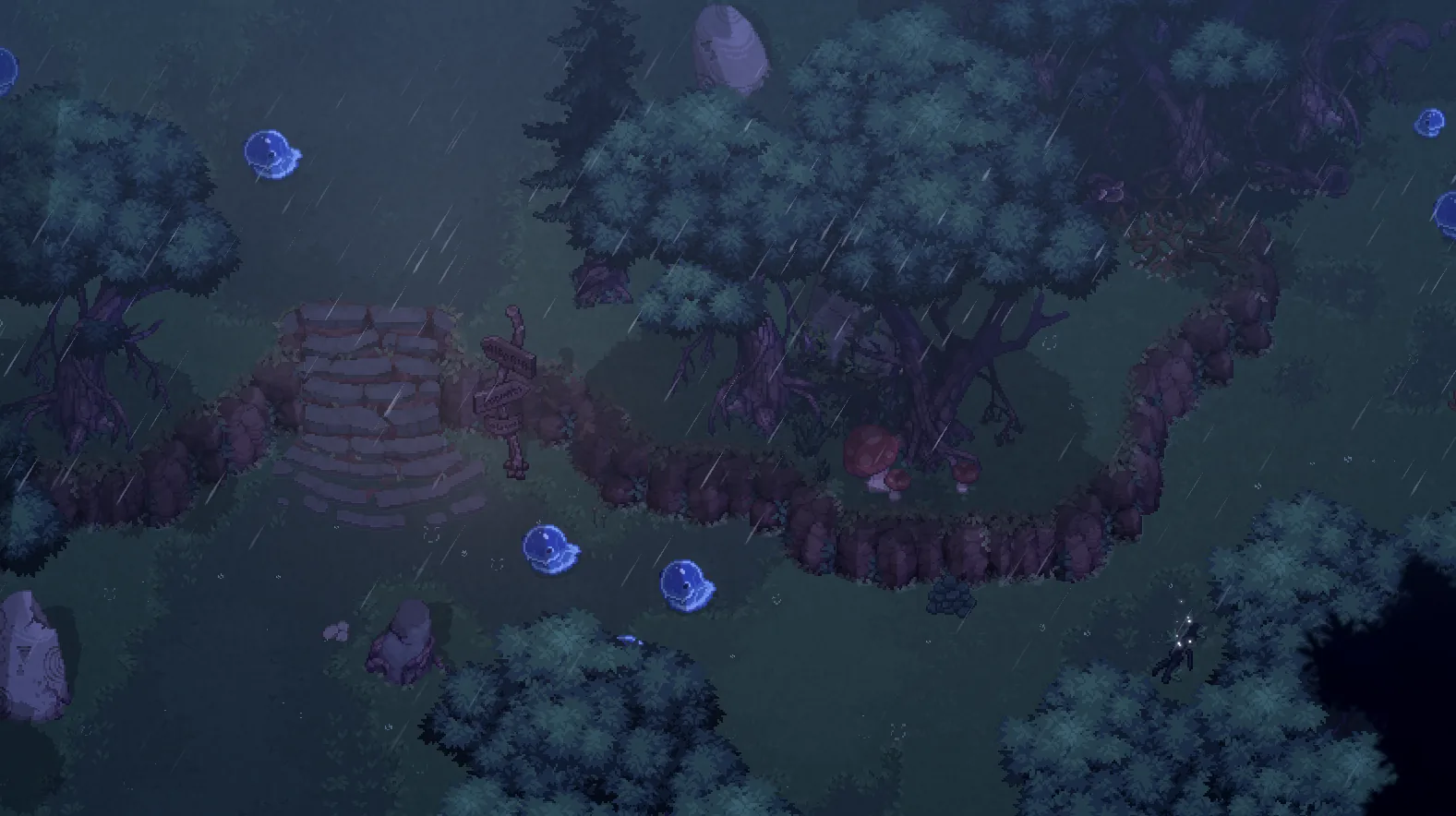
Stepping into the world of Mirkea for the first time can be an overwhelming experience, as the game blends elements from various genres into a complex, rewarding RPG. This dimraeth beginner guide is designed to help you navigate the initial hurdles of character creation and early-game survival without wasting your precious gold on constant respecs. Whether you are curious about race-locked weapons or how to manage your inventory, this dimraeth beginner guide covers the essential mechanics you need to succeed in Early Access.
Video Guide
Table of Contents
Understanding Character Creation and Archetypes
Your journey begins with a pivotal choice: selecting your race and class. Unlike many modern RPGs where any character can use any tool, Dimraeth employs a "race-locked" weapon system. This means your choice of race dictates your primary combat style and the tools you will wield throughout the game.
For instance, if you envision yourself swinging a massive battle axe, you must choose the Minotaur race. Conversely, players who prefer the versatility of a bow and blade should opt for a Human, while those seeking high-speed twin dagger combat will find their home with the Elves.
The Synergy of Race and Class
When you combine a race with a class, you create a specific "Archetype." This determines your starting passive abilities and how your stats scale. A Human Magician becomes an "Elemental Ranger," focusing on fire and frost spells while maintaining access to bows. A Minotaur Magician, however, becomes an "Earthshaker," trading the bow for a battle axe and earth-based magic.
| Race | Primary Weapons | Archetype Example (Magician) | Unique Passive Focus |
|---|---|---|---|
| Human | Bow & Blade | Elemental Ranger | Adventure (Damage + Encumbrance) |
| Minotaur | Battle Axe | Earthshaker | Physical Prowess & Earth Magic |
| Elf | Twin Daggers | Shadow/Spellcaster | Agility (Stamina & Attack Speed) |
Check the Passive First Before finalizing your character, look at the center of the creation screen. Each combination has a unique passive. For example, the Human's "Adventure" stat increases both physical and magical damage while boosting your carry capacity (Encumbrance).
Leveling Up and Navigating the Skill Tree
Leveling in Dimraeth isn't just about killing monsters; it’s about smart XP investment. You accumulate experience points, but they aren't applied automatically. You must visit a Trainer, a fireplace, or a campfire to "Train."
Investing XP into specific attributes like Agility, Strength, or Intelligence fills your leveling bar. Once the bar reaches its threshold, you gain a Skill Point. This system requires you to think carefully about your build path early on, as the cost of attributes increases with every investment.
The Quadrant Skill Tree System
The skill tree in Dimraeth is massive, but it follows a logical geographic layout. By understanding this layout, you can plan your path toward the powerful "corner skills" that define your late-game performance.
- North & South: These paths typically house your Racial Skills. North often focuses on melee capabilities (like the Human’s sword skills), while South focuses on range or utility (like the Minotaur’s rock smash).
- East & West: these paths are dedicated to your Class Skills, such as magic schools or stealth abilities.
- The Corners: These are the most important areas. Corner skills are unique to your specific race/class combination. An Elf Shadow will have entirely different corner skills than a Human Shadow, even if their core class skills are similar.
| Attribute | Primary Benefit | Secondary Benefit |
|---|---|---|
| Agility | Attack Speed | Stamina (+2.5 per point) |
| Intelligence | Magic Damage | Mana Pool / Spell Haste |
| Strength | Physical Power | Poise / Stun Resistance |
| Adventure | Hybrid Damage | Encumbrance (Carry Weight) |
Mastering the Gear and Set Bonus System
The gear system is one of the most intricate parts of this dimraeth beginner guide. Items in Dimraeth follow a specific naming convention that tells you exactly what the item does before you even look at the detailed stats.
Decoding Item Names
Let’s look at an example: an Enduring Erupting Imbued Charm.
- Prefix (Enduring): This determines the primary, guaranteed stat. "Enduring" always rolls Stamina. "Hasty" always rolls Spell Haste.
- Suffix (Erupting): This is your Set Bonus. If you wear multiple pieces with the "Erupting" suffix, you unlock powerful modifiers for specific spells.
- Base Item (Imbued Charm): The actual equipment type.
As you upgrade gear to the current cap of +11, the primary stat increases, and additional random sub-stats are unlocked or enhanced. Community reports indicate that farming specific bosses is the most reliable way to find high-tier set bonuses that synergize with your favorite spells.
| Prefix | Guaranteed Stat | Ideal For |
|---|---|---|
| Enduring | Stamina | Melee / Brawlers |
| Replenishing | Stamina Regen | High-mobility builds |
| Hasty | Spell Haste | Pure Casters |
| Sharp | Critical Rate | Assassins / Shadows |
Establishing Your Base at Faustas’s Stronghold
Early in the game, you will emerge from the Lost Caverns and meet an NPC named Faustas. This area serves as your main hub and base of operations. You shouldn't rush past this; building your base is essential for long-term progression.
The Initial Questline
Faustas will ask you to dismantle wreckage in the area. This provides you with basic materials to build your first tent and campfire. Completing these tasks unlocks the blueprints for the Workbench, Alchemy Station, and Storage Chests.
According to player experience, your first priority should be the Workbench. While you can find planks and nails in chests or on corpses in the Farmlands, the Workbench allows you to craft them using raw Stone and Pinewood.
Don't Craft Tools Too Early While you can craft axes and pickaxes at the workbench, you can actually get a full set of tools for free. Simply progress the main quest through the Farmlands to the Earlwood Toad Waygate, help the NPC El Dorian, and speak to Raana in the Guild Hall. He will provide the tools at no cost.
Solving the Storage and Inventory Crisis
One of the biggest complaints from new players is how quickly their bags fill up with gear sets and crafting materials. The Guild Hall provides a small storage chest with only 18 slots, which is woefully inadequate for a dedicated looter.
Building a Storage Kingdom
Once you have your Workbench, you can craft planks and nails to build multiple storage chests at your base. The developers have recently added a massive quality-of-life feature: the Match Deposit button.
If you have at least one piece of a gear set (like the "Bullhart" set) in a chest, clicking the auto-deposit button will automatically move all matching set pieces from your inventory into that chest. This works for materials and consumables as well, making inventory management significantly less frustrating.
| Material | How to Obtain | Primary Use |
|---|---|---|
| Pinewood | Chopping trees (Requires Axe) | Crafting Planks |
| Stone | Mining deposits (Requires Pickaxe) | Crafting Nails |
| Salvage | Dismantling gear at Blacksmith | Upgrading items to +11 |
| Gold | Bounties and Selling Loot | Respecs and Spellbooks |
Exploring the Spell System and World Drops
While your skill tree provides your core abilities, Dimraeth encourages exploration through world-drop spellbooks. Even if your Elf Shadow doesn't have healing in their innate tree, you can find or craft healing spells to assume a supportive role.
Finding New Spells
There are three main ways to expand your arsenal:
- Boss Drops: Defeating major bosses like the Monstrous Droop often rewards unique spells.
- NPC Merchants: NPCs like Rainer in the Sanctum sell spellbooks that are not found on any player skill tree.
- Crafting: Tamsin allows you to craft complex spells using rare materials found throughout Mirkea.
Remember that every spell has attribute requirements. You might find a powerful Fire Burst book, but if you don't have at least 3 Memory and 3 Intelligence, you won't be able to equip it. For more information on official updates and patches, check the Dimraeth Steam Page for the latest developer logs.
Starter Checklist
- Choose a race based on your preferred weapon type.
- Save your gold by planning your skill tree path toward the corners.
- Rush the Workbench to begin building storage chests.
- Don't hoard early gear; salvage it for materials to upgrade your main set.
FAQ: Dimraeth Beginner Guide
How do I respec my stats in Dimraeth?
To respec your character, you must first bring the NPC Befr back to the Sanctum. Upgrade his shop to Level 1, and you will be able to purchase the Elixir of Rebirth for 500 gold. This allows you to reallocate all your attribute points.
Are weapons really locked to specific races?
Yes. In this dimraeth beginner guide, we emphasize that weapons like Battle Axes are exclusive to Minotaurs, while Twin Daggers are exclusive to Elves. Humans are the only race that can use Bows and Blades effectively as primary weapons.
What is the best way to get planks and nails?
While you can find them as loot from corpses and chests in the Farmlands, the most reliable method is crafting them at your own Workbench using Pinewood and Stone. This allows you to build enough storage chests to manage your inventory.
How does the "Match Deposit" feature work?
When interacting with a storage chest at your base, the Match Deposit button will scan your inventory for any items that already exist in that specific chest. It will automatically move those items (including specific gear set pieces) into the chest, saving you from manual sorting.
Sources and known gaps
- Dimraeth Wiki — Guides, Co-op, Builds & Release Info Source accessed:
- Guides - Dimraeth Source accessed:
- Making YOUR First Character In Dimraeth? Watch This! Source accessed:
- Dimraeth Storage Chest Guide + Launch Updates Source accessed: