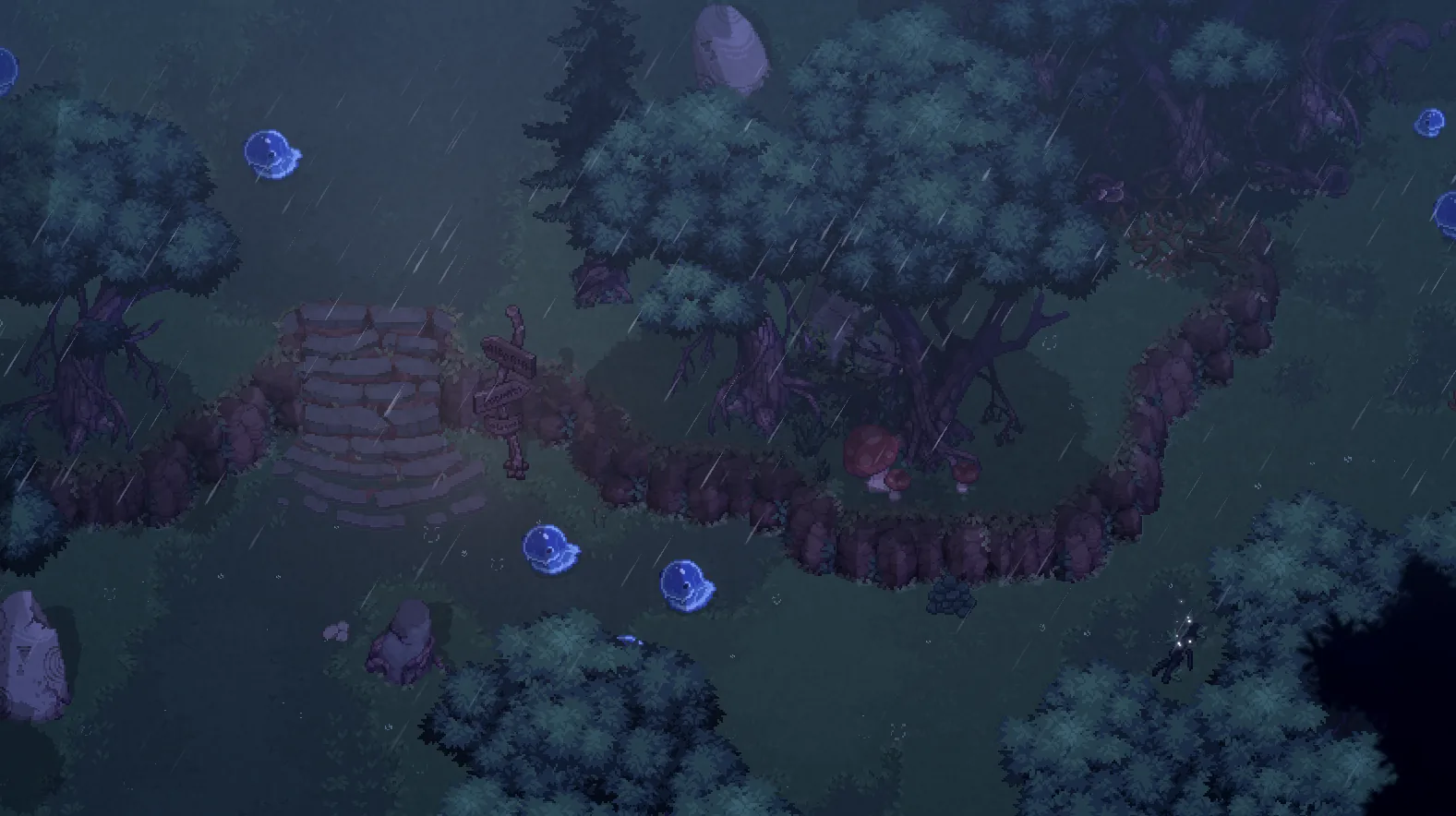
Dimraeth Early Access Hours of Content: A Full Gameplay Guide
Wondering about Dimraeth early access hours of content? Discover story length, endgame loops, and replayability in this comprehensive isometric RPG guide.
Published:
Table of Contents
For fans of isometric action RPGs, the arrival of a new contender often brings one pressing question: how much time can I actually sink into this world? As the game enters its initial launch phase, understanding the dimraeth early access hours of content is crucial for players deciding whether to jump into the fray now or wait for the full release. Dimraeth isn't just a simple dungeon crawler; it is a complex blend of Souls-lite combat, deep character customization, and base-building mechanics that aim to keep players engaged far beyond a single sitting.
The current version of the game offers a substantial foundation, but because it is an evolving project, the total dimraeth early access hours of content can vary significantly depending on your playstyle. Whether you are a "speed-runner" focusing solely on the narrative or a "completionist" who wants to master every spell and build the ultimate stronghold, there is a surprising amount of depth to uncover in the opening acts of this indie title.
How Long is Dimraeth? Breaking Down the Playtime
According to official developer FAQs and initial community reports, the main story content currently available in Dimraeth (Act I) takes approximately 12 to 15 hours to complete. This path leads players through the Lost Caverns, into Earlwood Village, and eventually deep into the Wildwood. However, for most players, this is only the tip of the iceberg.
If you engage with the side quests, experiment with the deep build variety, and invest time into the base-building systems, your total dimraeth early access hours of content can easily double or triple. The game is designed to be replayable, encouraging you to try different race and class combinations that fundamentally change how you approach combat and exploration.
Playstyle
Estimated Hours
Core Activities
Main Story Only
12 - 15 Hours
Primary quests, mandatory boss fights, basic gear.
Standard Playthrough
25 - 35 Hours
Main story, side quests, basic base building, gear sets.
Completionist
50+ Hours
All side quests, maxing relationships, full base expansion, endgame dungeons.
Multi-Class Explorer
80+ Hours
Replaying with different race/class combos to see all 300+ spells.
Build Variety: The Secret to Infinite Replayability
One of the primary reasons the dimraeth early access hours of content feels so expansive is the sheer number of ways you can build your character. At launch, the game features three distinct races (Human, Elf, and Minotaur) and three classes (Shadow/Assassin, Mage, and Brawler). While this might seem limited, the developers have planned for a total of 8 races and 6 classes, eventually leading to 48 unique combinations.
Build crafting in Dimraeth is more than just picking a class; it involves:
Racial Abilities: Your choice of race provides unique bonuses that aren't just cosmetic.
Universal Spells: With over 300 spells in the game, many can be learned through spell books regardless of your starting class.
Gear Sets: The gear system allows for "mixing and matching." You can wear two pieces of an Assassin set for movement speed and three pieces of a different set for burst damage, creating a highly customized playstyle.
Don't Rush the Meta
Community reports suggest that the Elf-Assassin build is currently one of the strongest for early-game progression (around level 10), but the Minotaur-Brawler offers significantly more survivability for solo players tackling difficult bosses.
The Endgame Loop: Repeatable Content and Dungeons
Once the main story of Act I concludes, the game doesn't simply end. The developers have implemented a "Guild Hall" system that serves as the hub for endgame activities. This is where the dimraeth early access hours of content shifts from narrative exploration to a dedicated loot grind.
In the Guild Hall, players can access repeatable dungeons and challenge high-level bosses. These encounters drop special loot and materials required for high-tier crafting and base upgrades. The combat, described by many as "Souls-lite," requires careful stamina management, parrying, and dodging. Because the bosses can be quite punishing if you are under-leveled, you will spend a significant amount of time refining your gear and strategy to overcome these hurdles.
Endgame Activity
Reward Type
Difficulty Level
Repeatable Dungeons
Crafting Mats & Gold
Moderate
Boss Rushes
Legendary Set Pieces
High
Base Expansion
New Services & NPCs
Time-Intensive
In-Game Poker
Gold Gambling
RNG-Based
Base Building and Life-Sim Mechanics
Dimraeth separates itself from traditional ARPGs like Path of Exile by introducing a deep base-building and "home" system. You aren't just a wandering warrior; you are the founder of a sanctuary. This adds a layer of "cozy" gameplay that significantly inflates the dimraeth early access hours of content.
After meeting the NPC Fosters near the Sanctum Waygate, you begin the process of dismantling wreckage to build your hub. You will need to:
Gather Resources: Collect pinewood and stones from the environment.
Craft Tools: Build axes, pickaxes, and gloves to harvest higher-tier materials.
Construct Facilities: Build a workbench, alchemy station, and storage chests.
Manage Relationships: As you rescue characters in the world, they move into your base, offering new services like blacksmithing, potion brewing, and enchanting.
This loop of "adventure, gather, return, and build" creates a satisfying rhythm. For many players, spending an hour just organizing chests, farming crops, or playing poker against other players in the tavern is just as rewarding as slaying a dragon.
Progression Mechanics: Level Caps and Gear
In the current Early Access build, the level cap is set to Level 25 for Act I. While this might sound low, reaching this cap requires a significant investment of time. The experience curve is designed to encourage exploration and side-questing rather than mindless grinding.
The gear system is equally deep. Unlike many games where you simply equip the item with the "bigger number," Dimraeth forces you to consider set bonuses and active ability modifiers. A single piece of gear might change how a spell behaves, turning a simple fireball into a multi-shot projectile. This encourages players to spend dimraeth early access hours of content hunting for that one specific drop that completes their vision for a character.
Inventory Management Jitters
Early players reported that item management was tedious. However, recent updates have added a "deposit matching items" button for storage chests. Always craft multiple chests and categorize them by "Materials," "Consumables," and "Gear Sets" to save time.
Navigating the Early Game: A Step-by-Step Guide
To maximize your efficiency and enjoy the full dimraeth early access hours of content, you should follow a structured progression path. Rushing into the Wildwood without a proper base will lead to frequent deaths and frustration.
Step
Objective
Key Reward
1
Clear Lost Caverns
Meet Fosters & Unlock Sanctum
2
Dismantle Wreckage
Blueprints for Workbench & Chests
3
Travel to Earlwood
Access Quest Board & New Spells
4
Farm Planks & Nails
Build first Storage Chests
5
Complete "Training" Quest
Receive free gathering tools from Raana
6
Reach Level 10
Unlock advanced Skill Tree branches
Community Insights and Technical State
Based on player experience shared on the Official Steam Community Page, the game is in a surprisingly stable state for Early Access. However, there are a few "rough edges" to be aware of.
Controller Support: While functional, some menus still require a mouse to hover over item descriptions. The developers are actively patching this.
Voice Acting: Currently, the game lacks full voice acting. If you enjoy deep lore, be prepared for a lot of reading.
Co-op Play: The game supports up to 8 players via peer-to-peer connection. Playing with friends significantly changes the dynamic of boss fights, often requiring players to take on specific roles like "Tank" or "Healer."
The community generally agrees that the foundation is solid. The combat feels responsive, and the build variety is "ridiculous" for an indie title in its first week of release.
Future Roadmap: What’s Next for Dimraeth?
The developers have been transparent about their plans to expand the dimraeth early access hours of content over the coming months. The current roadmap includes:
Act II Story Update: Doubling the narrative length.
New Biomes: Moving beyond the Wildwood into volcanic or frozen regions.
Additional Classes: Bringing the total closer to the promised six classes.
Dedicated Servers: Moving away from peer-to-peer for a more stable co-op experience.
Investing in the game now means participating in this growth. The $19.79 entry price (with launch discount) offers a high "value-per-hour" ratio compared to many AAA titles that offer less complexity.
Final Verdict: Is It Worth It?
If you are a fan of No Rest for the Wicked or Path of Exile, Dimraeth is a must-play. It manages to scratch the itch for complex build-crafting while providing a relaxing "home" to return to after a stressful boss fight. The current dimraeth early access hours of content provide a solid 20-30 hours of high-quality gameplay for the average user, with much more for those who enjoy the "grind" of perfecting a character.
The game isn't just about reaching the end; it's about the journey of turning a weak exile into an immortal powerhouse. With the foundation already laid, the future of Dimraeth looks incredibly promising.
</hr>
FAQ: Dimraeth Content & Gameplay
How many hours of content are in Dimraeth Early Access?
The main story of Act I typically takes between 12 and 15 hours. However, when you include side quests, base building, and repeatable endgame dungeons, most players will find between 30 and 50 hours of gameplay in the current build.
What is the max level in Dimraeth Act I?
The current level cap for the Early Access version is Level 25. This cap is expected to increase as Act II and further story updates are released.
Can I play Dimraeth solo or is it multiplayer only?
Dimraeth can be played entirely solo or in co-op with up to 8 players. The game uses a peer-to-peer system, meaning one player acts as the host for the session.
Does Dimraeth have microtransactions?
No, the developers have confirmed that there are no microtransactions. The game is a one-time purchase, and all content updates during the Early Access period are included in the initial price.